The beauty industry is an ever-evolving field that attracts individuals looking to combine their creative talents with their passion for aesthetics. However, becoming successful in this industry often starts with the right education. Choosing a good beauty school is critical for aspiring cosmetologists, estheticians, and beauty professionals. But what exactly makes a beauty school stand out?
Comprehensive Curriculum
A good beauty school offers a comprehensive curriculum that covers a wide variety of relevant topics. It should equip students not only with the technical skills needed for hairstyling, makeup artistry, and nail design but also with business acumen and client relationship management skills.
This breadth ensures that students are prepared to integrate into various roles within the industry or even start their own businesses.
Moreover, instructional methods need to incorporate both traditional techniques and cutting-edge trends. Schools that prioritize up-to-date training ensure students remain competitive in the constantly evolving landscape of beauty and style trends. Updated curricula are vital to ensuring that new professionals are proficient with emerging technologies and techniques used in the beauty sector.
Practical hands-on learning is just as essential as theoretical instruction. A beauty school must provide ample opportunities to practice skills in simulated or real-world settings. Such experiences not only boost student confidence but also better prepare them for real-life client interactions, thereby smoothing their transition into professional work environments.
Experienced Instructors
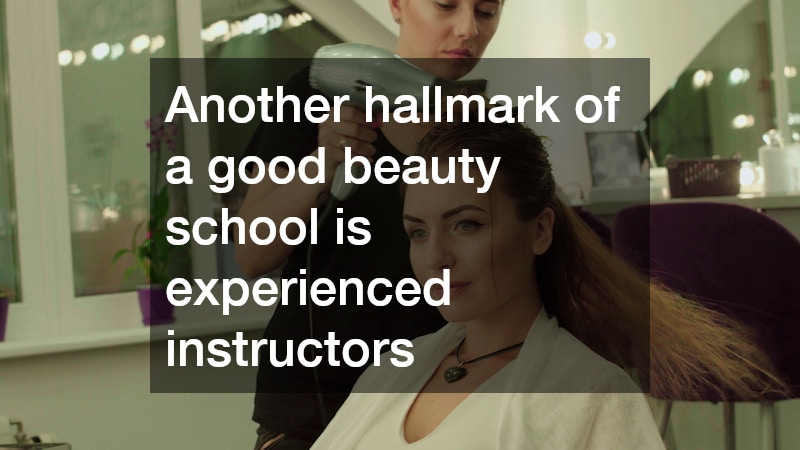
Another hallmark of a good beauty school is experienced instructors. Teachers and trainers should ideally have extensive experience in the industry. Their firsthand knowledge and insight are invaluable for students who are just embarking on their careers.
Experienced instructors not only teach technical skills but also share life lessons and industry secrets that are typically only learned through years of practice. They provide mentorship and serve as role models, demonstrating the professional standards and ethics needed to succeed in the beauty field. These educators play a pivotal role in inspiring and motivating students through both their knowledge and passion.
A school that invests in maintaining highly qualified instructors is demonstrating its commitment to student success. Professional development offerings for faculty ensure that courses remain current and instructors are teaching the most modern methods, benefiting their students immensely.
Accreditation and Financial Aid Options
Recognized accreditation can be a significant indicator of a good beauty school. Accreditation by relevant bodies assures that the institution meets specific educational standards. Guilds and federations often evaluate schools for financial stability, curriculum quality, and faculty qualifications, amongst other factors.
Beyond ensuring educational quality, accreditation can open doors to financial aid opportunities for students. Access to grants, scholarships, and loans makes quality education more accessible to a wider range of students. Many students rely on financial assistance to pursue their dreams, making this a critical consideration for prospective enrollees.
When choosing a beauty school, it’s essential to explore these aspects to determine the value of the educational investment. Understanding the financial aid landscape will help prospective students make more informed choices about their options, allowing them to focus more on their education rather than financial constraints.
Job Placement and Networking Opportunities
Finally, a good beauty school is one that provides strong job placement services and networking opportunities. Connections made during education can lead to internships, jobs, and other professional growth avenues after graduation. Networking is often as crucial as the skills acquired during schooling in the beauty industry.
Many reputable beauty schools foster partnerships with local salons, spas, and industry giants, creating a direct pipeline for their graduates. These connections can result in internships and entry-level positions, offering students a head start in their careers. Networking events and career fairs hosted by schools can further enhance these opportunities.
In summary, a beauty school’s dedication to integrating students into the professional world sets them apart. Career support services that include resume building, interview preparation, and job search strategies give students an undeniable advantage. These elements are essential in transitioning students from the classroom to rewarding careers in the beauty industry.
In choosing the right beauty school, consider various factors such as curriculum scope, the experience of instructors, accreditation status, and job placement capabilities. Remember, the right education is the foundation upon which you will build your career. Aspiring beauty professionals must thoroughly research and evaluate their options to ensure their chosen institution aligns with their career ambitions.