

Modern beauty and aesthetic care have evolved far beyond surface-level enhancements. Today’s services often combine appearance, wellness, and confidence-building into thoughtful, personalized experiences. With so many options available, understanding how each service works, who it’s best suited for, and how to approach it safely is essential for making informed decisions.
This guide explores widely used beauty and aesthetic services through a practical lens and what they involve, what results to realistically expect, and how to prepare for them. Whether you’re researching a first-time treatment or simply staying informed, the goal is to help you navigate these options with clarity and confidence.
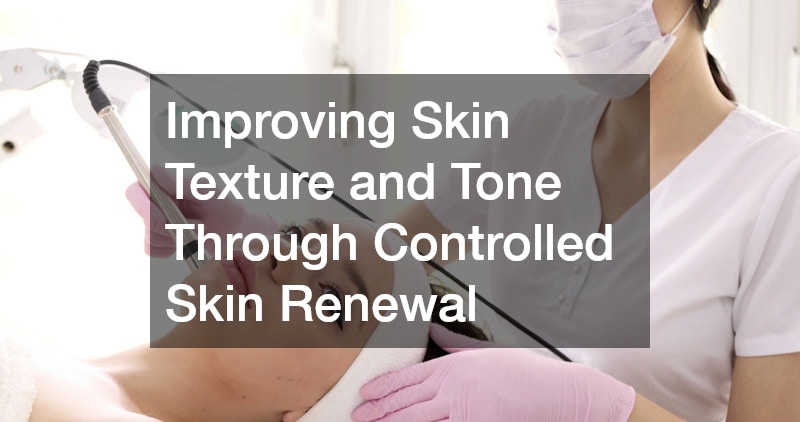
Improving Skin Texture and Tone Through Controlled Skin Renewal
A microneedling service is commonly chosen by individuals seeking smoother texture, improved tone, and a more refreshed appearance without significant downtime. This treatment works by creating controlled micro-injuries to the skin, which stimulates the body’s natural repair response and collagen production.
Before scheduling a session, it’s important to understand that results are cumulative. One treatment may improve radiance, but noticeable changes in fine lines or uneven texture typically require a series spaced several weeks apart. Preparation also matters: avoiding retinoids, exfoliants, and sun exposure for several days beforehand can help reduce irritation.
After treatment, expect mild redness and sensitivity similar to a sunburn for one to three days. Keeping the skin clean, well-moisturized, and protected from UV exposure is essential. Readers considering this option should also confirm provider credentials, sterilization standards, and whether aftercare guidance is included as part of the service.
Enhancing Your Smile With Long-Term Oral Aesthetic Planning
A cosmetic dental procedure can dramatically influence facial harmony, self-confidence, and even perceived age. These treatments range from subtle adjustments like enamel shaping to more involved options such as veneers or bonding.
Before committing, patients should start with a comprehensive consultation that evaluates bite alignment, gum health, and long-term durability, not just appearance. A well-planned approach ensures that enhancements blend naturally with facial features rather than appearing overly artificial.
Maintenance is another critical factor. Some treatments require protective night guards, lifestyle changes, or periodic follow-ups. Readers should ask about expected lifespan, staining risks, and how future dental work might be affected. An informed decision balances aesthetic goals with oral health and long-term care considerations.
Supporting Skin and Body Balance Through Guided Cleansing Practices
A structured detox process is often marketed as a reset for the body, but its effectiveness depends heavily on how it’s approached. Rather than extreme cleanses, many professionals recommend gentle methods that support natural elimination systems like the liver, kidneys, and skin.
Hydration, balanced nutrition, and temporary reductions in processed foods are often more sustainable than restrictive plans. Incorporating antioxidant-rich foods and prioritizing sleep can enhance visible skin clarity without stressing the body.
Readers should be cautious of programs promising rapid or dramatic results. Any approach should feel supportive, not draining. Consulting a qualified professional before starting helps ensure the method aligns with individual health needs and avoids unnecessary risks.

Understanding Body Contouring Options and Recovery Expectations
Abdominal liposuction is a targeted option for individuals looking to address stubborn fat deposits that don’t respond to diet or exercise. It’s important to recognize that this procedure is not a weight-loss solution but a contouring tool.
Ideal candidates typically maintain a stable weight and have realistic expectations about results. Pre-procedure planning often includes medical evaluations, lifestyle adjustments, and discussions about skin elasticity, which influences outcomes.
Recovery varies by individual but usually includes compression garments, activity restrictions, and gradual return to exercise. Readers should ask detailed questions about downtime, scarring, and how results evolve over several months. Long-term success often depends on maintaining consistent habits post-procedure.
Preserving Protective Hairstyles With Proper Care Techniques
African hair braiding services offer both cultural expression and practical styling benefits, but maintaining scalp and hair health is essential. Proper tension management is one of the most important considerations, as overly tight styles can lead to breakage or discomfort.
Clients should prepare by ensuring their hair is clean, moisturized, and detangled before appointments. Communicating sensitivity levels and desired braid size helps prevent unnecessary strain on the scalp.
Post-installation care includes regular moisturizing, gentle cleansing, and avoiding prolonged wear beyond recommended timeframes. Protective styles work best when they truly protect, and comfort and hair health should always take priority over longevity.
Setting Realistic Goals for Sustainable Body Changes
Visiting a weight loss clinic can provide structured guidance, accountability, and medical oversight for individuals struggling to meet health goals independently. For many people, having professional support helps clarify what progress should realistically look like and reduces the guesswork that often leads to stalled results. The most effective programs prioritize gradual, steady changes rather than quick fixes, recognizing that sustainable progress is built over time.
Before enrolling, readers should evaluate whether the clinic emphasizes education, nutrition, and lifestyle changes alongside any treatments or supplements. Programs that focus on understanding eating patterns, movement habits, and behavioral triggers tend to support longer-lasting success. Transparent goal-setting and personalized plans are especially important, as they account for individual health history, daily routines, and personal challenges rather than applying a rigid, one-size-fits-all approach.
Consistency matters more than intensity. Patients who engage actively, tracking progress, attending follow-ups, and adjusting habits as needed, often experience more sustainable results. Small, repeatable actions such as meal planning, regular activity, and adequate sleep can have a significant cumulative effect. Understanding the time, effort, and commitment required upfront helps set realistic expectations, reduces frustration, and encourages a healthier relationship with long-term body changes.

Using Accessories to Complement Personal Style Choices
Jewelry plays a subtle but powerful role in aesthetic presentation, enhancing personal style without altering natural features. The right accessories can draw attention to facial features, complement clothing silhouettes, and express individuality in understated ways. Choosing pieces based on skin tone, neckline, and lifestyle often leads to more cohesive looks than following trends alone, which may not suit everyone equally well.
Readers can benefit from building a versatile collection that transitions easily from casual to formal settings. Simple studs, delicate chains, or minimal bracelets can serve as everyday staples, while bolder statement pieces can be reserved for special occasions. Considering scale is important, and petite frames may benefit from finer designs, while structured outfits can support more substantial accessories. Lightweight materials and secure fastenings are especially important for daily wear, ensuring comfort and reducing the risk of loss or irritation.
Proper care also extends longevity. Storing items separately prevents scratching and tangling, while removing accessories before exercising, showering, or cleaning protects finishes from damage. Regular, gentle cleaning helps preserve shine and prevents buildup that can dull appearance over time.
Thoughtful selection ensures accessories enhance rather than overwhelm an overall look. When chosen with intention, jewelry becomes an effortless extension of personal style, adding polish and confidence without feeling excessive or distracting.
Evaluating Surgical Expertise and Personal Readiness
Selecting a breast augmentation surgeon requires careful research beyond before-and-after photos. Credentials, experience, and communication style are all critical factors in achieving safe and satisfying outcomes. Board certification, hospital privileges, and a clear history of performing similar procedures provide valuable insight into a surgeon’s qualifications. Just as important is the ability to communicate openly; patients should feel comfortable asking questions and confident that their concerns are being addressed honestly and thoroughly.
A thorough consultation should address implant options, incision placement, recovery expectations, and potential risks. Discussions should also include how different choices may affect long-term results, future procedures, and lifestyle considerations such as physical activity. Patients benefit from asking how frequently the surgeon performs the procedure, what safety protocols are in place, and what support is available during recovery. Clear explanations and realistic timelines help establish trust and prevent misunderstandings.
Equally important is personal readiness. Understanding motivations, setting realistic expectations, and allowing adequate recovery time all contribute to a more positive experience and outcome. Patients should consider how surgery fits into their current responsibilities, emotional well-being, and long-term goals. Taking time for self-reflection and preparation ensures the decision is made confidently, with clarity and patience, leading to results that feel aligned with both physical and personal expectations.
Choosing the Right Method for Long-Term Smoothness
Hair removal options vary widely in effectiveness, longevity, and suitability for different skin and hair types. Understanding these differences helps readers choose methods that align with their goals and tolerance levels rather than relying on trial and error. Factors such as hair texture, growth patterns, and skin tone can influence how well a method works and how the skin responds, making personalization an important part of the decision-making process.
Temporary approaches may require frequent upkeep, while longer-lasting solutions often involve multiple sessions and careful pre-treatment preparation. Some methods focus on removing hair at the surface, offering quick results but limited durability, while others target the hair at the root for extended smoothness. Readers should also consider timing; planning treatments around travel, special events, or seasonal sun exposure can help reduce complications and improve outcomes.
Skin sensitivity, budget, and maintenance preferences all play a role. Those with reactive skin may benefit from gentler techniques or professional guidance, while individuals seeking low-maintenance routines might prioritize options that reduce regrowth over time. Understanding the financial commitment, including follow-up sessions or maintenance treatments, prevents unexpected costs.
Regardless of method, post-treatment care, such as soothing products and sun protection, reduces irritation and supports better results. Avoiding heat, friction, and harsh products immediately after treatment allows the skin to recover more effectively. Thoughtful planning minimizes discomfort, supports skin health, and maximizes long-term smoothness.

Maintaining Visual Comfort and Appearance Over Time
Eye care is an essential yet often overlooked aspect of overall appearance and daily comfort. Strain, dryness, and irritation can affect not only vision but also how refreshed a person looks, often contributing to redness, puffiness, or dark circles that are difficult to conceal. Because the eyes are central to facial expression, ongoing discomfort can subtly impact confidence and how alert or well-rested someone appears throughout the day.
Regular screenings help identify changes early, while simple habits, like taking screen breaks and maintaining proper lighting, support long-term comfort. Prolonged exposure to digital screens can reduce blink rate, leading to dryness and fatigue, so following structured breaks and consciously blinking can ease strain. Adjusting screen height, reducing glare, and ensuring adequate ambient lighting also play an important role in minimizing visual stress during work or leisure activities.
Protective eyewear can further reduce environmental stressors. Sunglasses that block ultraviolet exposure help protect delicate skin around the eyes while supporting long-term visual health. For those in dry or windy environments, wraparound designs or moisture-retaining lenses may offer added comfort.
Incorporating eye-focused routines into daily self-care supports both function and appearance. This may include gentle cleansing, cool compresses to reduce puffiness, and staying properly hydrated. Over time, these small, consistent efforts can help preserve visual comfort, maintain a bright appearance, and reduce the cumulative effects of daily strain.
Beauty and aesthetic services today offer more than cosmetic changes; they provide opportunities for self-expression, confidence, and personal care when approached thoughtfully. As these services continue to evolve, they increasingly reflect a broader understanding of beauty as something personal rather than prescriptive. People are no longer seeking one-size-fits-all results; instead, they are prioritizing outcomes that complement their natural features, support their routines, and align with how they want to feel in their own skin. This shift places greater emphasis on informed decision-making rather than impulse-driven choices.
The key to positive experiences lies in understanding options clearly, setting realistic expectations, and prioritizing qualified guidance. Taking time to research providers, ask questions, and understand both benefits and limitations helps prevent disappointment and reduces unnecessary risks. Equally important is recognizing that results often take time, maintenance, and consistency. Viewing aesthetic services as part of an ongoing self-care journey, rather than a quick transformation, can lead to more satisfying and lasting outcomes.
By focusing on education and intentional choices, individuals can explore these services in ways that align with their goals, lifestyles, and well-being. Thoughtful planning allows treatments to support confidence rather than define it, creating enhancements that feel authentic and balanced. When approached with clarity and self-awareness, beauty and aesthetic care can be empowering, sustainable, and deeply personal.